


Designer handbag care checklist for lasting value
BVPRIVE Editorial Team on 13th Mar 2026
Designer handbag care checklist for lasting value
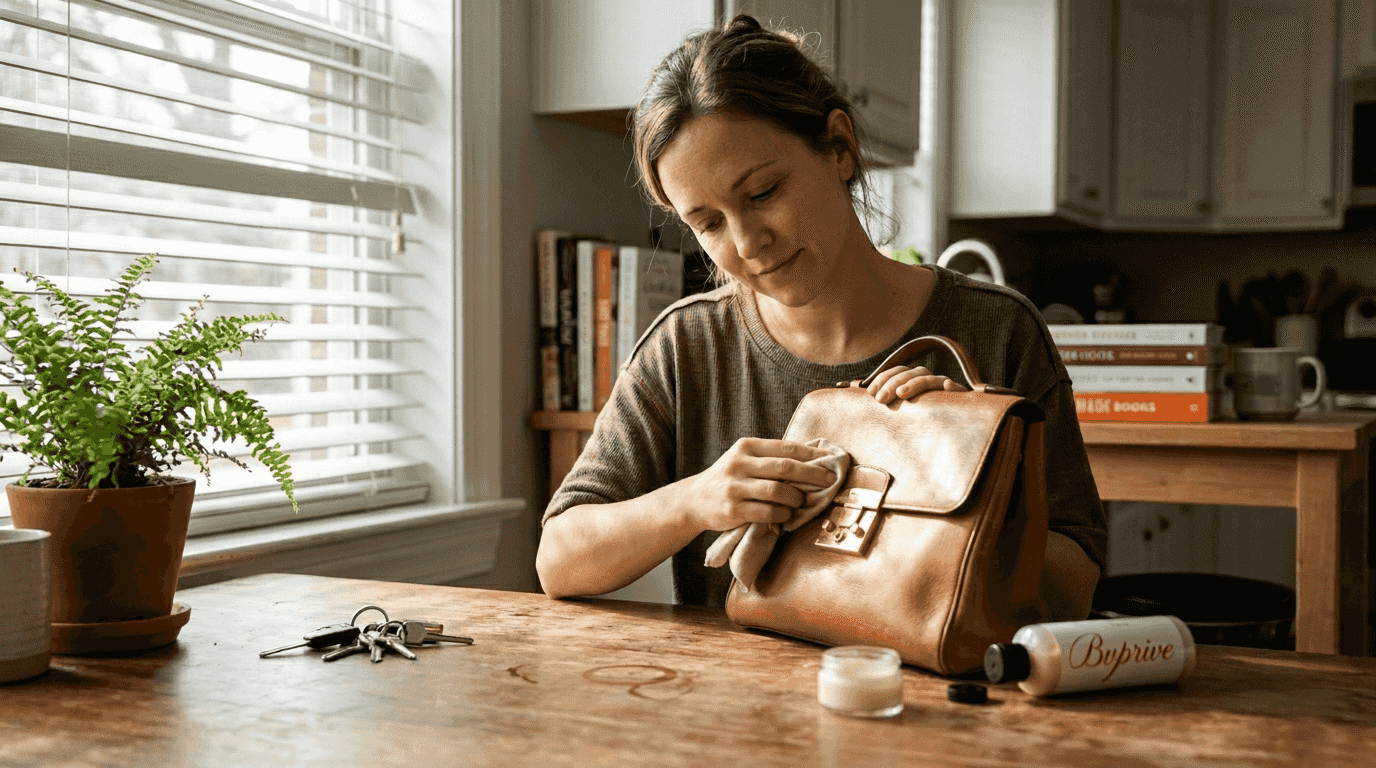
Your designer handbag represents more than fashion. It embodies a financial asset that can appreciate over time when properly maintained. The difference between a pristine Birkin and a worn one can reach $30,000 at resale, making meticulous care essential for collectors. This comprehensive checklist equips you with proven techniques to protect your investment, preserve materials, and maximize returns when you decide to sell or pass down your luxury pieces to future generations.
Table of Contents
- Understanding The Impact Of Condition On Handbag Value
- Material-Specific Care Checklist For Designer Handbags
- Optimal Storage Practices To Preserve Handbag Quality
- Routine Maintenance And Inspection Checklist To Extend Handbag Lifespan
- Comparing Handbag Care Tools: Bag Organizers, Cleaners, And Conditioners
- Enhance Your Luxury Handbag Care With Bvprive
- Frequently Asked Questions
Key takeaways
| Point | Details |
|---|---|
| Condition drives value | Poor maintenance can reduce resale prices by 30 to 50 percent overnight. |
| Material matters | Each luxury material requires specific care protocols to prevent irreversible damage. |
| Storage protects investment | Controlled environments with 40 to 55 percent humidity prevent mold and cracking. |
| Regular inspection pays | Catching wear early allows cost-effective repairs that preserve authenticity and value. |
| Professional help works | Strategic restoration on iconic models can add hundreds of dollars to resale prices. |
Understanding the impact of condition on handbag value
Condition determines whether your luxury handbag appreciates or depreciates. Market data reveals that condition drives 30 to 50 percent of final resale value, making it the single most controllable factor in your investment strategy. A Louis Vuitton Speedy with cracked canvas loses 50 percent of its resale value immediately, while pristine examples often command premiums above original retail prices.
The financial stakes grow dramatically with iconic models. The price difference between pristine and worn Hermès Birkin bags reaches $30,000, illustrating how small care decisions compound into substantial monetary outcomes. Collectors who implement systematic maintenance protocols protect their portfolios from preventable depreciation while positioning pieces for maximum returns when market conditions favor selling.
Rare and limited edition bags amplify these dynamics further. Iconic models see amplified ROI when restoration addresses specific condition issues, as buyers pay premium prices for pieces that combine exclusivity with impeccable presentation. Understanding these market realities helps you prioritize care investments that deliver measurable financial benefits.
Pro Tip: Document your bag’s condition with detailed photos every six months. This creates a visual timeline that proves consistent care to future buyers and supports premium pricing during resale negotiations.
Several factors determine how condition translates to dollars:
- Hardware tarnish and scratches signal neglect to experienced buyers
- Interior stains and odors prove difficult to reverse and tank perceived value
- Leather cracking from dryness requires expensive professional intervention
- Canvas separation at stress points indicates structural compromise
- Color transfer from improper storage creates permanent damage
Even minor condition issues trigger buyer skepticism in luxury markets. Collectors scrutinize authenticity and care history before committing to five-figure purchases. Your maintenance record becomes part of the provenance story that justifies premium pricing. By treating your handbag as both accessory and asset, you preserve the dual value that makes luxury handbag investment strategies viable for sophisticated collectors who understand market dynamics.
The resale market rewards proactive care with tangible returns. Bags that show consistent maintenance history sell faster and command higher prices than comparable pieces with visible neglect. This reality makes your care checklist a direct contributor to portfolio performance, transforming routine maintenance into a wealth preservation strategy that compounds over years of ownership. Strategic collectors recognize that investing in designer bags requires ongoing stewardship to realize full appreciation potential.
Material-specific care checklist for designer handbags
Luxury handbags combine diverse materials that each demand specialized care protocols. Applying wrong treatments causes irreversible damage that destroys value faster than years of normal wear. Understanding material composition prevents costly mistakes that even professional restoration cannot fully correct.
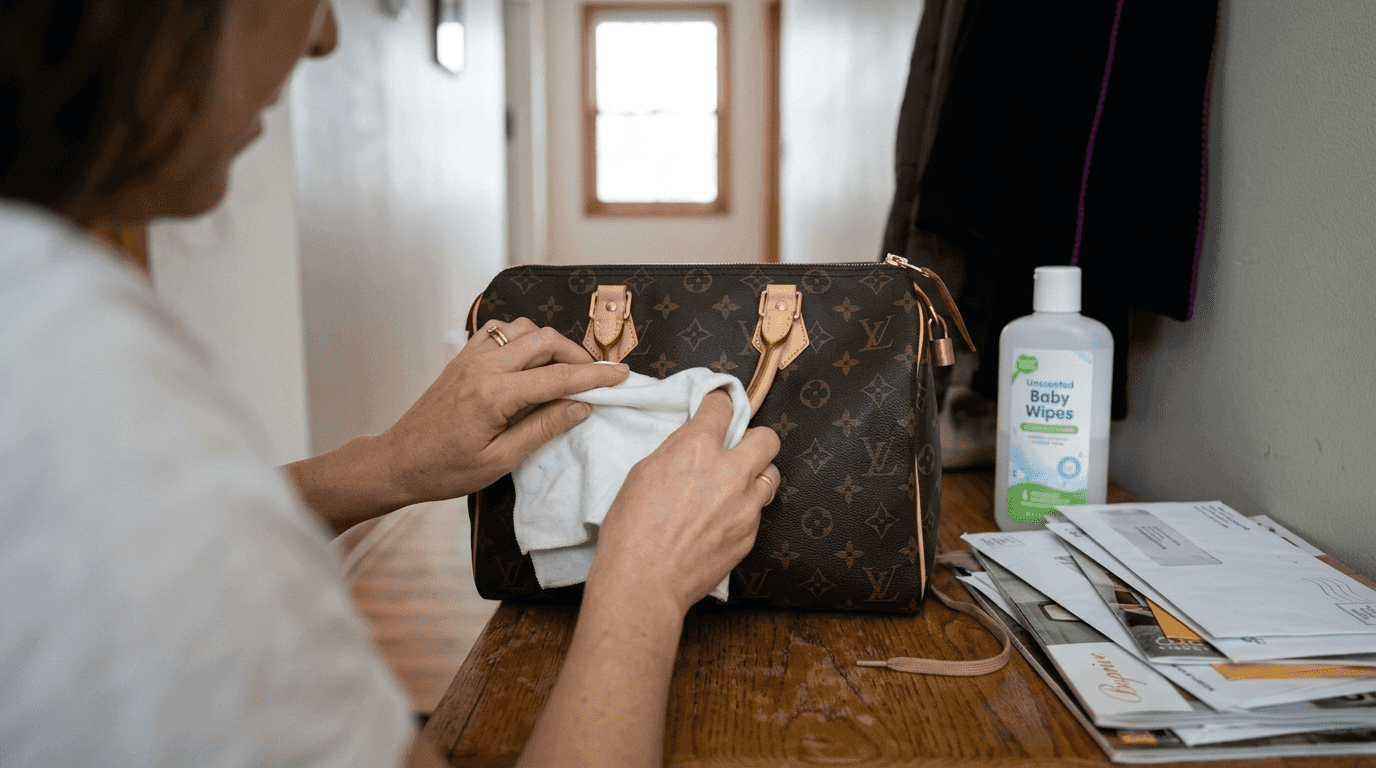
Louis Vuitton’s iconic Monogram Canvas illustrates this principle perfectly. The material is vinyl-coated cotton, not leather, making leather conditioners completely inappropriate and potentially damaging. Canvas requires only gentle cleaning with slightly damp microfiber cloths, never soaking or harsh chemicals that compromise the protective coating. This single mistake costs collectors thousands in depreciated value when improper products cause cracking or discoloration.
Vachetta leather trim presents opposite challenges. This untreated natural leather is highly sensitive to water and oils, developing dark spots and stains from brief contact with moisture or skin oils. Protecting Vachetta handles with Hermès Twilly scarves or handle wraps prevents the darkening patina that some buyers find undesirable. While natural patina adds character for some collectors, maintaining lighter tones preserves broader resale appeal and higher price points.
Leather handbag bodies require measured conditioning to maintain suppleness without oversaturation. Apply thin layers of premium leather conditioner twice yearly, allowing complete absorption between applications. Excessive conditioning creates sticky surfaces that attract dirt and compromise the leather’s natural breathability. Quality matters significantly in conditioner selection, as inferior products contain silicones and petroleum derivatives that damage leather structure over time.
Hardware maintenance prevents the tarnish and corrosion that immediately signal neglect to buyers:
- Polish metal hardware quarterly with jewelry polishing cloths designed for specific metals
- Remove green oxidation from brass with specialized brass cleaners, never abrasive tools
- Lubricate zippers with wax paper or graphite, avoiding oils that attract dirt
- Protect gold plating from scratches by storing bags separately
- Address loose hardware screws immediately before they fall out and get lost
Exotic leathers like crocodile, alligator, and python require even more specialized attention. These premium materials command the highest prices but show damage quickly when improperly maintained. Consult professional exotic leather specialists annually for conditioning and inspection, as DIY treatments risk expensive mistakes on irreplaceable skins. The investment in professional care pays dividends by preserving the distinctive textures and patterns that justify exotic leather premiums.
Pro Tip: Test any new cleaning or conditioning product on a hidden interior area first. Wait 24 hours to observe any adverse reactions before applying to visible surfaces. This simple precaution prevents catastrophic damage to irreplaceable luxury materials.
Understanding exclusive handbag leathers helps you identify which materials require professional intervention versus safe home care. Different tannage processes create varying sensitivities to moisture, light, and chemical exposure. Your care strategy must adapt to each bag’s specific material composition, making detailed knowledge of leather types essential for serious collectors who manage diverse portfolios.
Implementing a comprehensive luxury handbag care workflow ensures you never skip critical maintenance steps that preserve material integrity. Systematic approaches prevent the gradual neglect that accumulates into serious condition issues requiring expensive professional restoration. Your materials checklist becomes the foundation for long term value preservation across your entire collection.
Optimal storage practices to preserve handbag quality
Storage environment controls determine whether your handbags age gracefully or deteriorate rapidly during periods between use. Four primary enemies threaten bags in storage: light, moisture, gravity, and contamination. Addressing each factor systematically creates conditions that preserve materials and structure for decades.
Humidity management stands as the most critical environmental factor. Maintaining 40 to 55 percent humidity prevents both mold growth in damp conditions and leather cracking in dry environments. Invest in a quality hygrometer to monitor your storage space, using dehumidifiers or humidifiers as needed to maintain optimal ranges. Basements and attics typically fail humidity requirements, making climate controlled closets or dedicated storage rooms essential for valuable collections.
Light exposure causes irreversible color fading and material degradation. Store handbags in their original dustbags and boxes, which provide darkness and physical protection simultaneously. Position storage away from windows and artificial lighting that accelerates photodegradation of dyes and finishes. Even indirect light exposure compounds over months and years into noticeable color shifts that reduce resale appeal and value.
Proper stuffing maintains bag shape without creating stress points that cause permanent deformation:
- Use acid-free tissue paper, bubble wrap, or specialized bag puffs for interior stuffing
- Never use newspaper, which transfers ink and contains acids that damage leather
- Stuff lightly to support structure without stretching seams or distorting proportions
- Place bags upright or lying flat, never hanging by handles which creates gravitational stress
- Remove all contents including cards and receipts that can create impressions
Plastic storage bags trap moisture and create condensation that promotes mold growth and hardware corrosion. Always use breathable cotton dustbags that allow air circulation while blocking dust and light. Original branded dustbags add authenticity value during resale, making their preservation part of your overall care strategy. If original dustbags are unavailable, purchase premium cotton alternatives sized appropriately for each bag.
Pro Tip: Rotate your collection quarterly even if you’re not using certain pieces. This allows you to inspect condition, adjust stuffing, and ensure storage conditions remain optimal. Regular rotation also prevents the permanent creasing that develops when bags sit in one position for extended periods.
Interior protection deserves equal attention to exterior care. Lightweight bag organizers prevent the interior damage and staining that diminish resale value even when exteriors remain pristine. These inserts maintain compartment structure and protect linings from the pen marks, makeup stains, and general wear that accumulate during use. Removing organizers during storage prevents unnecessary pressure on interior seams.
| Storage Factor | Optimal Range | Risk if Ignored | Solution |
|---|---|---|---|
| Humidity | 40 to 55 percent | Mold growth or leather cracking | Climate control with hygrometer monitoring |
| Temperature | 60 to 75 degrees Fahrenheit | Material degradation and adhesive failure | Avoid attics, basements, and exterior walls |
| Light exposure | Complete darkness | Color fading and material weakening | Dustbags plus boxes in closed storage |
| Air circulation | Moderate flow | Musty odors and moisture accumulation | Breathable dustbags, never plastic |
| Physical support | Upright or flat | Handle stretching and body deformation | Proper stuffing with acid-free materials |
Storage location matters as much as storage method. Designate a dedicated space that meets all environmental requirements rather than distributing bags throughout your home in varying conditions. Consistent environment across your collection simplifies monitoring and maintenance while ensuring every piece receives optimal protection. This systematic approach to storage creates the foundation for long term value preservation that compounds over years of ownership.
Routine maintenance and inspection checklist to extend handbag lifespan
Systematic inspection catches minor issues before they escalate into expensive problems requiring professional intervention. Year-end maintenance helps identify issues and implement protective measures that preserve value through proactive care rather than reactive repairs. Establishing a quarterly inspection routine ensures nothing slips through the cracks during busy periods when bags sit unused in storage.
Your inspection protocol should follow a consistent sequence that covers every vulnerable area:
- Examine all stitching for loose threads, gaps, or tension issues that signal weakening seams
- Inspect hardware for tarnish, scratches, or loosening that compromises function and appearance
- Check handles and straps for cracking, darkening, or structural weakness at stress points
- Review interior linings for stains, tears, or odors that reduce buyer appeal
- Assess overall leather condition for dryness, cracking, or color inconsistencies
- Test all closures, zippers, and clasps for smooth operation without forcing
Documenting findings creates a maintenance history that proves consistent care to future buyers. Photograph any issues discovered and note actions taken to address them. This record demonstrates the proactive stewardship that justifies premium pricing when you eventually sell pieces from your collection.
Cleaning frequency depends on use patterns and exposure to elements. Wipe exterior surfaces with slightly damp microfiber cloths after each use to remove surface dirt before it embeds in material texture. Deep cleaning should occur seasonally using products specifically formulated for luxury handbag materials. Never use household cleaners, baby wipes, or generic leather products that contain harsh chemicals incompatible with premium materials and finishes.
Conditioning maintains leather suppleness and prevents the cracking that destroys value. Apply premium leather conditioner twice yearly, increasing frequency in extremely dry climates that accelerate moisture loss. Use minimal product applied in thin, even layers that absorb completely within 24 hours. Excess conditioner attracts dust and creates sticky surfaces that compromise appearance and feel.
Pro Tip: Create a digital maintenance log tracking every cleaning, conditioning, and repair for each bag in your collection. Include dates, products used, and condition observations. This detailed record becomes a valuable selling point that justifies premium pricing by proving meticulous care throughout ownership.
Zipper maintenance prevents the frustrating sticking that tempts owners to force closures and cause permanent damage. When zippers resist smooth operation, lubricate with wax paper or graphite by running the dry lubricant along teeth several times. Never use oils or silicone sprays that attract dirt and gum up zipper mechanisms over time. Addressing zipper issues promptly prevents the tooth damage and tape separation that require expensive professional replacement.
Professional restoration deserves careful consideration when condition issues exceed home care capabilities. Small professional restorations increase resale by hundreds of dollars when addressing specific problems like corner wear, edge painting, or hardware replacement. However, excessive restoration raises authenticity concerns that reduce buyer confidence and final sale prices. Target interventions that preserve original character while addressing legitimate condition defects.
Select restoration specialists with proven expertise in luxury handbags and your specific brands. Request references and examples of previous work before entrusting valuable pieces to any service provider. Improper restoration causes more damage than the original condition issues, making specialist selection critical to successful outcomes. Your luxury handbag care workflow should include vetted professional contacts for situations requiring expert intervention beyond home maintenance capabilities.
Timing restoration strategically maximizes return on investment. Address condition issues before listing bags for sale, as buyers discount prices heavily for visible problems they must repair themselves. The cost of professional restoration typically returns multiples in higher sale prices and faster transactions. This makes restoration a smart financial decision for pieces where condition issues significantly impact market value. Smart luxury bag investment strategies incorporate professional care as needed to optimize portfolio returns.
Comparing handbag care tools: bag organizers, cleaners, and conditioners
Selecting appropriate care products and accessories determines whether your maintenance efforts protect or damage your investment. Quality varies dramatically across care tools, with inferior products causing the very problems they claim to prevent. Understanding the specific benefits and limitations of each tool category helps you build an effective care kit that delivers results without risks.
Bag organizers serve dual purposes by protecting interiors from damage while maintaining structural integrity during use and storage. These inserts prevent the sagging and deformation that occurs when bags carry heavy or irregularly shaped items. Interior protection proves especially valuable for light-colored linings that show stains prominently and reduce resale appeal. The benefits of bag organizers extend to easier item location and transfer between bags, adding practical convenience to preservation benefits.
Leather cleaners formulated specifically for luxury handbags remove dirt and oils without stripping natural moisture or protective finishes. Generic leather cleaners designed for furniture or automotive applications contain harsh solvents inappropriate for delicate handbag leathers. Premium cleaners use pH-balanced formulations that clean effectively while preserving the leather’s natural characteristics and color depth. Always verify cleaner compatibility with your specific leather type before application to visible areas.
| Care Tool | Primary Benefit | Potential Drawback | Best Use Case |
|---|---|---|---|
| Bag organizers | Interior protection and structure | Adds weight and bulk | Daily use bags with light linings |
| Leather cleaner | Removes embedded dirt safely | Can darken some leathers temporarily | Quarterly deep cleaning routine |
| Leather conditioner | Maintains suppleness and prevents cracking | Over-application attracts dirt | Biannual conditioning or as needed |
| Microfiber cloths | Gentle surface cleaning without scratching | Ineffective for embedded stains | After each use maintenance |
| Dust bags | Light and dust protection in storage | No moisture or structural support | All bags during storage periods |
Conditioner selection impacts long term leather health more than any other product category. Premium conditioners contain natural oils and waxes that penetrate leather fibers and restore moisture lost through use and environmental exposure. Avoid conditioners with silicone or petroleum bases that create surface shine without providing genuine nourishment to leather structure. These inferior products eventually cause more harm than benefit by blocking the leather’s natural breathability.
Application technique matters as much as product quality. Use clean, lint-free cloths to apply thin, even layers of cleaner or conditioner in circular motions that work product into leather texture. Allow complete absorption and drying between applications, never rushing the process by applying excessive product at once. Patience in application prevents the oversaturation that causes sticky surfaces and uneven color development.
Investing in quality care tools pays dividends through better results and reduced risk of damage. While premium products cost more initially, they protect investments worth thousands or tens of thousands of dollars. This makes care product selection a minor expense relative to the value being protected. Your luxury handbag care workflow should specify exact products proven safe and effective for each material type in your collection, eliminating guesswork and reducing risk during routine maintenance.
Building a complete care kit ensures you have appropriate tools ready when needed rather than improvising with household products that risk damage. Stock your kit with brand-appropriate cleaners, conditioners, microfiber cloths, soft brushes, and specialized tools for hardware care. This preparation makes routine maintenance convenient and consistent, increasing the likelihood you’ll maintain regular care schedules that preserve condition and value over years of ownership.
Enhance your luxury handbag care with BVPRIVE
Maintaining your designer handbag collection requires expertise and resources beyond basic care knowledge. BVPRIVE provides collectors with comprehensive guides and professional insights that elevate your care strategy from adequate to exceptional. Our platform connects you with detailed maintenance protocols tailored to specific brands and materials, ensuring your approach matches the sophistication of your collection.
Access our luxury handbag care workflow guide for step-by-step protocols that systematize maintenance across your entire portfolio. Learn advanced techniques for preservation and value maximization through our luxury handbag investment guide, which connects care practices directly to financial outcomes. Our expert resources help you make informed decisions about professional restoration, authentication, and strategic collection management that optimize returns while preserving the pieces you love.
Frequently asked questions
How often should I condition my luxury leather handbag?
Condition leather bags twice yearly as a baseline maintenance schedule, adjusting frequency based on climate conditions and use patterns. Extremely dry environments or frequent use may require quarterly conditioning to prevent cracking. Always apply thin layers that absorb completely rather than heavy applications that create sticky surfaces. Monitor leather suppleness between conditioning sessions to determine if your schedule needs adjustment.
What is the best way to store designer handbags to avoid damage?
Store handbags lightly stuffed in dustbags and original boxes away from direct sunlight, heat sources, and humidity extremes. Maintain storage environment between 40 and 55 percent humidity with temperatures from 60 to 75 degrees Fahrenheit. Position bags upright or lying flat, never hanging by handles which causes gravitational stress and deformation. Use acid-free stuffing materials and breathable cotton dustbags rather than plastic covers that trap moisture.
Can professional restoration increase my handbag’s resale value?
Small targeted interventions add hundreds in resale when addressing specific condition issues like corner wear or hardware tarnish on iconic models. However, excessive restoration raises authenticity concerns that reduce buyer confidence and final prices. Focus restoration efforts on repairs that preserve original character while addressing legitimate defects. Always use specialists with proven expertise in luxury handbags to ensure quality work that enhances rather than diminishes value.
Should I use the same care products on canvas and leather handbags?
Never apply leather products to coated canvas materials, as they serve completely different purposes and can cause damage. Canvas requires only gentle cleaning with slightly damp cloths, while leather needs specialized cleaners and conditioners. Each material type demands specific care protocols based on its composition and finish. Research your bag’s exact materials before selecting care products, and test any new product on hidden areas before applying to visible surfaces.
How do I prevent color transfer between handbags during storage?
Store each handbag in its individual dustbag to prevent direct contact between pieces that could cause color bleeding. Ensure bags are completely clean and dry before storage, as moisture accelerates dye transfer. Avoid stacking bags directly on top of each other, instead storing them side by side with adequate spacing. Light-colored bags require extra protection, so consider double bagging or additional separation from darker pieces that pose higher transfer risks.