


What is a limited edition handbag: rarity and value 2026
BVPRIVE Editorial Team on 14th Mar 2026
What is a limited edition handbag: rarity and value 2026
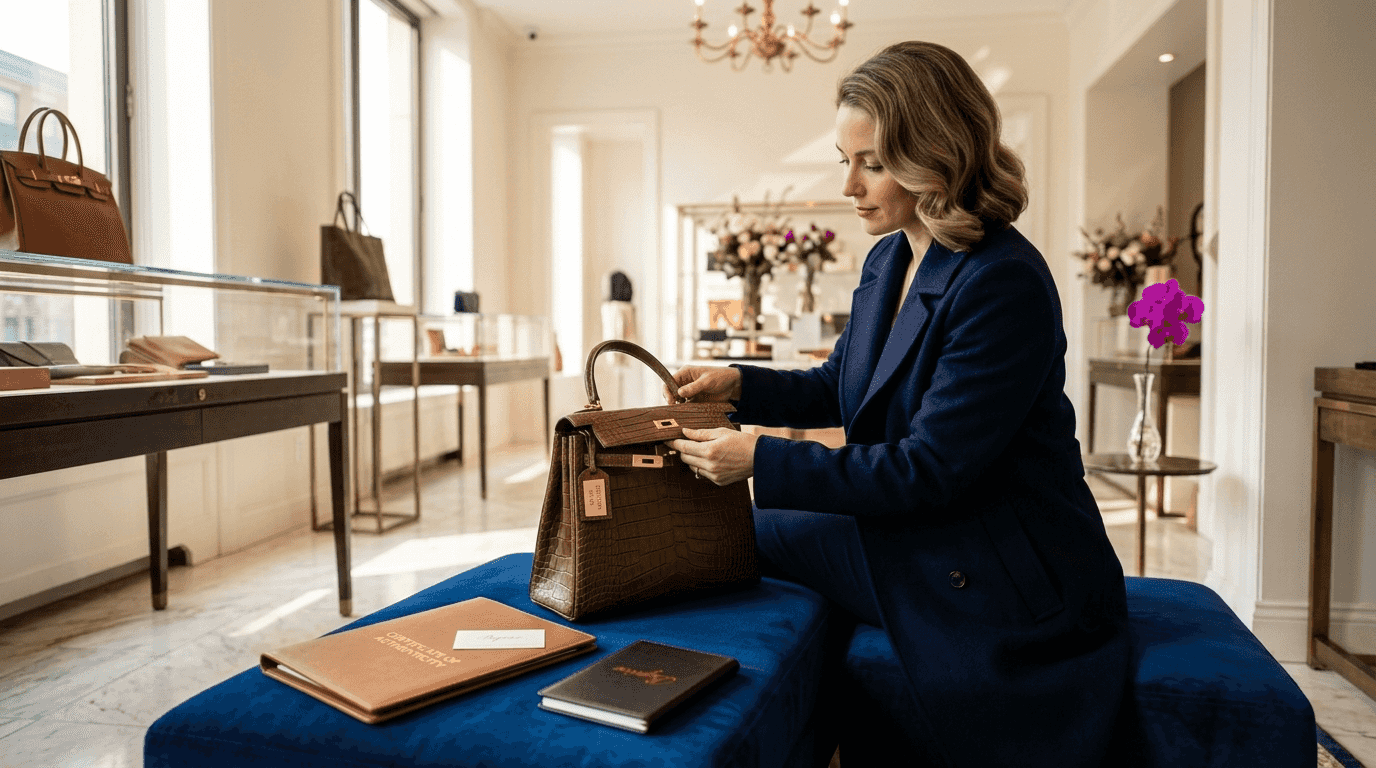
Many luxury handbag buyers mistakenly believe all designer bags offer similar investment potential and exclusivity. The reality is strikingly different. Limited edition handbags command significantly higher prices and appreciation rates compared to regular collections, yet most enthusiasts cannot articulate what truly defines these coveted pieces. Understanding the precise characteristics that distinguish limited edition handbags from mass-produced luxury items is essential for collectors seeking genuine rarity and long-term value. This guide clarifies the defining features, authentication methods, and investment potential of limited edition designer handbags.
Table of Contents
- What Defines A Limited Edition Handbag?
- Why Do Limited Edition Handbags Hold Such High Value And Appeal?
- How To Identify And Authenticate Limited Edition Designer Handbags
- Limited Edition Handbags Versus Regular Collections: A Comparison
- Discover Exclusive Limited Edition Handbags At BVPRIVE
Key takeaways
| Point | Details |
|---|---|
| Exclusivity through production limits | Limited edition handbags feature strictly controlled production runs, often numbered or certified, creating genuine scarcity in the luxury market. |
| Superior investment returns | These pieces can deliver 150% higher returns compared to regular designer bags due to rarity and collector demand. |
| Unique design and materials | Limited editions incorporate exclusive craftsmanship, rare leathers, and distinctive design elements unavailable in standard collections. |
| Authentication requirements | Verification through serial numbers, certificates, provenance documentation, and expert assessment protects collectors from counterfeits. |
| Market appreciation potential | Scarcity drives sustained value growth, making limited editions strategic acquisitions for serious collectors and investors. |
What defines a limited edition handbag?
The term limited edition gets thrown around casually in luxury fashion, but authentic limited edition handbags meet specific criteria that separate them from regular designer collections. Limited edition handbags are defined by their exclusivity in production runs, unique design elements, and rare materials, differentiating them from mass-produced regular collections. Production quantities are intentionally restricted, often to a few hundred or thousand pieces globally, creating measurable scarcity.
Authentic limited editions feature numbered tags, certificates of authenticity, or special markings that verify their place within the restricted production run. A Hermès limited edition might bear a specific stamp indicating the year and production number, while Chanel often includes authentication cards detailing the exclusive nature of the piece. These verification methods provide collectors with tangible proof of rarity.
The craftsmanship and materials used in limited edition handbags typically exceed those found in regular lines. Brands reserve their most skilled artisans and rarest materials for these special releases. You might encounter exotic leathers like alligator, python, or ostrich in colors and finishes unavailable elsewhere. Hardware often features precious metals or unique plating techniques developed exclusively for the limited run.
Design elements distinguish limited editions visually and functionally from standard offerings. These pieces might incorporate:
- Exclusive colorways created specifically for the limited release
- Unique embellishments such as hand-painted details or rare gemstone hardware
- Collaboration designs with renowned artists or fashion houses
- Commemorative features celebrating brand anniversaries or cultural moments
- Innovative construction techniques or silhouettes not used in regular production
Brands typically release limited editions seasonally, for special occasions, or to commemorate significant milestones. Louis Vuitton’s artist collaborations, for instance, produce pieces available only during specific windows, after which they become unavailable through official channels. This temporal restriction compounds the physical production limits, intensifying scarcity.
Pro Tip: Always request documentation proving limited edition status before purchasing. Legitimate sellers provide certificates, production numbers, and provenance details that verify authenticity and rarity.
Why do limited edition handbags hold such high value and appeal?
Scarcity economics drive the premium value of limited edition handbags in ways that regular luxury bags cannot match. When production runs cap at a few hundred pieces worldwide, demand inevitably exceeds supply among collectors and enthusiasts. This imbalance creates upward price pressure that persists long after initial release. Research shows limited edition handbags can fetch 150% higher investment returns than regular bags due to their rarity and collector appeal.

Collectors prize exclusivity as much as craftsmanship. Owning a handbag that only a select few possess worldwide carries significant appeal for those building distinguished collections. The knowledge that your Birkin features leather treatment or hardware unavailable in standard production creates emotional value beyond the physical object. This psychological component sustains demand even as prices climb.
Market data demonstrates that rarity directly drives the collectible value of handbags in the luxury market. Limited editions from heritage brands like Hermès, Chanel, and Louis Vuitton consistently appreciate while regular production models often plateau or depreciate. A 2025 analysis of luxury handbag auctions revealed limited editions averaging 40% annual appreciation compared to 8% for standard models from the same brands.
The investment thesis for limited edition handbags strengthens yearly as wealth concentration increases globally. More affluent collectors compete for the same finite pool of rare pieces, creating sustained upward price momentum. Unlike regular bags that brands can reproduce indefinitely, true limited editions become progressively scarcer as pieces enter permanent collections or suffer damage over time.
Several factors compound the value of limited edition bags beyond simple scarcity:
- Brand heritage and reputation amplify desirability for pieces from houses with centuries of craftsmanship tradition
- Condition rarity, as mint-condition limited editions become increasingly uncommon over decades
- Cultural significance when releases commemorate important moments or collaborations
- Celebrity associations that drive demand among aspirational buyers
- Market liquidity, as established auction houses and resellers facilitate easy transactions
The status symbol aspect cannot be dismissed. Carrying a handbag that signals both financial capacity and insider knowledge of luxury fashion creates social currency in certain circles. Limited editions serve as visible markers of taste, resources, and access to exclusive networks.
Pro Tip: Focus on limited editions from heritage brands with proven track records of value appreciation. Newer luxury houses lack the historical data to predict long-term investment performance.
How to identify and authenticate limited edition designer handbags
Authentication begins with documentation verification. Legitimate limited edition handbags include certificates of authenticity specifying production numbers, materials, and release details. Hermès limited editions feature specific stamps indicating the year and artisan, while Chanel provides authentication cards with serial numbers matching interior stamps. Request this paperwork before committing to any purchase, as its absence raises immediate red flags.
Physical examination reveals authenticity through craftsmanship quality. Spotting rare designer bags requires knowledge of exclusive features, serial numbers, certificates, and provenance documentation. Inspect stitching for perfect uniformity and tension, hardware for weight and finish quality, and leather for grain consistency. Limited editions exhibit flawless execution because brands assign their most skilled artisans to these premium pieces.
Follow this systematic authentication process:
- Verify serial numbers match across all documentation, interior stamps, and authentication databases
- Examine hardware for correct weight, engravings, and finish matching the specific limited edition release
- Inspect leather grain, color saturation, and texture against verified examples from the same production run
- Check stitching count per inch, thread color, and pattern consistency with brand standards for that model
- Confirm all branded elements like dust bags, boxes, and care cards match the release period and region
- Research the specific limited edition online to understand unique features and common counterfeit indicators
- Consult authentication services or experts when dealing with high-value acquisitions
Provenance documentation strengthens authentication confidence significantly. Original purchase receipts from authorized retailers, prior ownership history from reputable collectors, and professional authentication reports from recognized experts all contribute to verified provenance. This paper trail becomes increasingly valuable for rare pieces as they change hands over decades.
Counterfeit operations specifically target limited editions because of their premium prices. Common fake indicators include mismatched serial numbers, incorrect font styles on hardware engravings, substandard leather quality, and documentation inconsistencies. Sophisticated counterfeits may pass casual inspection, making expert verification essential for significant investments.
Pro Tip: Photograph every detail of a potential purchase, including serial numbers, stitching, hardware, and any unique features. Share these images with authentication experts before finalizing transactions, especially for online purchases where physical inspection is impossible.
Limited edition handbags versus regular collections: a comparison
Production volume creates the foundational difference between limited edition and regular designer handbags. Limited edition bags feature unique design, lower production numbers, and higher investment potential compared to regular collections. Brands manufacture regular collections in quantities reaching tens of thousands annually, ensuring broad availability across global boutiques. Limited editions cap production at hundreds or low thousands, creating measurable scarcity from release day.
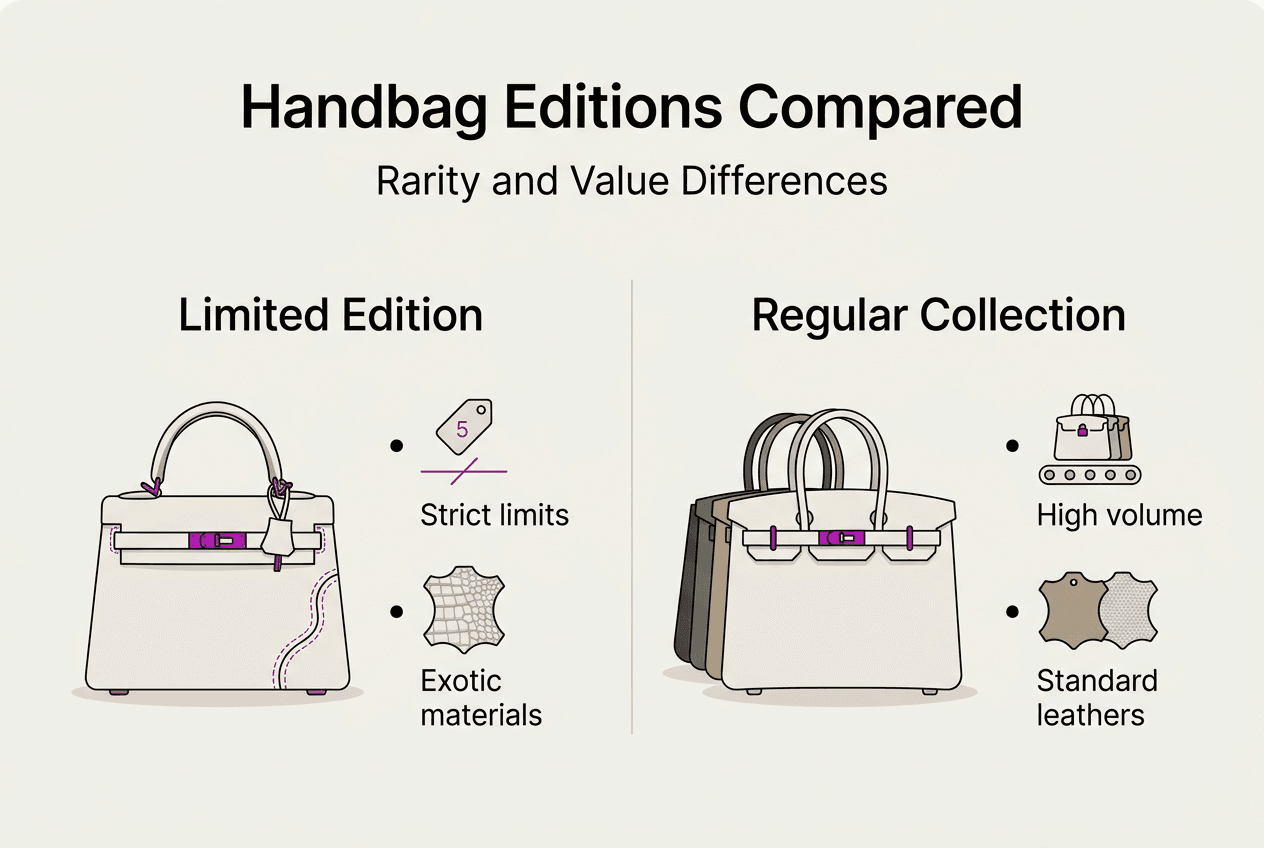
| Aspect | Limited Edition | Regular Collection |
|---|---|---|
| Production volume | 100 to 3,000 pieces globally | 10,000+ pieces annually |
| Material exclusivity | Rare leathers, precious metals, unique finishes | Standard leathers and hardware |
| Design uniqueness | Exclusive colorways, special embellishments, artist collaborations | Seasonal variations of core designs |
| Price appreciation | 30 to 50% annually for sought-after pieces | Flat to 10% depreciation typically |
| Availability | Sold out quickly, secondary market only | Continuous production, readily available |
| Authentication complexity | Requires expert verification, detailed provenance | Simpler authentication process |
Material selection distinguishes limited editions dramatically. Brands reserve exotic leathers like Himalayan crocodile, matte alligator, or rare python skins for special releases. Regular collections predominantly feature calf leather, canvas, or common exotics in standard finishes. Hardware on limited editions might incorporate 18k gold plating or palladium, while regular pieces use standard metal alloys.
Design innovation appears more boldly in limited editions because brands face less commercial risk with smaller production runs. You encounter experimental silhouettes, avant-garde color combinations, and artistic collaborations that would never reach mass production. Regular collections prioritize commercial viability and broad appeal, resulting in safer design choices that maximize sales volume.
Market dynamics diverge sharply between these categories:
- Limited editions generate waiting lists and immediate sellouts, while regular bags sit in boutiques for months
- Resale values for limited editions typically exceed retail prices within years, whereas regular bags sell below retail
- Collector interest concentrates intensely on limited releases, creating active secondary markets
- Brand prestige associates more strongly with limited edition ownership than regular collection purchases
The emotional and status value differs substantially. Owning a limited edition signals insider access, financial capacity, and refined taste in ways regular luxury purchases cannot match. This psychological component sustains demand and prices independent of functional utility. A regular Chanel flap bag serves the same practical purpose as a limited edition, but the latter carries significantly greater cultural capital.
Investment strategy should account for these differences. Limited editions from established brands with strong auction performance offer genuine appreciation potential. Regular collections serve well as personal luxury items but rarely qualify as investment-grade assets. Smart collectors allocate resources toward verified limited editions with documented provenance when building portfolios focused on value growth.
Discover exclusive limited edition handbags at BVPRIVE
Now that you understand what distinguishes limited edition handbags and drives their exceptional value, exploring authenticated pieces becomes the natural next step. BVPRIVE specializes in curating rare, limited edition designer handbags from the world’s most prestigious brands, offering collectors direct access to authenticated pieces with verified provenance.
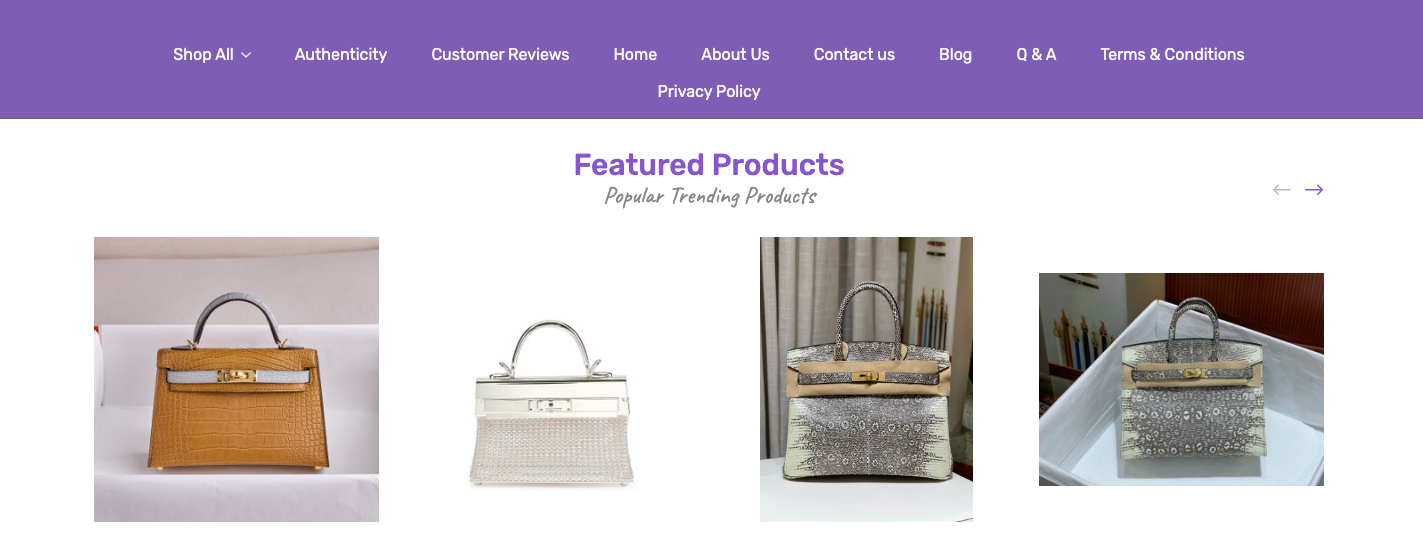
Every handbag undergoes rigorous authentication by luxury experts who verify materials, craftsmanship, serial numbers, and documentation before listing. You gain confidence knowing each limited edition piece meets the highest standards of authenticity and rarity. The platform serves discerning collectors and fashion enthusiasts seeking investment-grade handbags from Hermès, Chanel, Louis Vuitton, and other heritage houses. Browse the latest arrivals to discover limited editions that combine exceptional craftsmanship with proven appreciation potential.
Frequently asked questions
What makes a handbag limited edition?
A handbag qualifies as limited edition when the brand intentionally restricts production to a specific quantity, often numbering pieces and providing authentication certificates. These bags feature exclusive materials, unique design elements, and craftsmanship unavailable in regular collections. The combination of controlled production volume and distinctive characteristics creates genuine scarcity that drives collector interest and value appreciation.
How can I verify if a limited edition handbag is authentic?
Verification requires examining serial numbers, authentication certificates, and provenance documentation against brand-specific databases and expert references. Inspect craftsmanship quality, hardware details, and material characteristics for consistency with verified examples from the same production run. Working with reputable sellers who provide comprehensive documentation and consider professional authentication services for high-value acquisitions protects against sophisticated counterfeits.
Are limited edition handbags better investments than regular designer bags?
Limited editions typically deliver superior investment returns due to restricted supply and sustained collector demand. Market data shows these pieces appreciating 30 to 50% annually for sought-after releases, while regular designer bags often depreciate or remain flat. Investment success depends on brand heritage, condition maintenance, market trends, and proper authentication, making research essential before purchasing.
How many limited edition handbags are typically produced?
Production quantities vary by brand and release but generally range from 100 to 3,000 pieces globally. Heritage brands like Hermès might produce only a few hundred of certain limited editions, while larger fashion houses occasionally release several thousand pieces for special collaborations. Certified limited runs include explicit numbering or documentation specifying total production volume, providing collectors with transparency about rarity levels.
Do limited edition handbags require special care or storage?
Limited editions demand the same careful maintenance as any luxury handbag, with added emphasis on preserving condition for investment value. Store pieces in original dust bags within climate-controlled environments away from direct sunlight and humidity. Regular conditioning of exotic leathers, careful handling to prevent hardware scratches, and professional cleaning when needed maintain both aesthetic appeal and resale value over decades.