


Why Luxury Brands Matter for Collectors’ Investments
BVPRIVE Editorial Team on 9th Feb 2026
Why Luxury Brands Matter for Collectors’ Investments
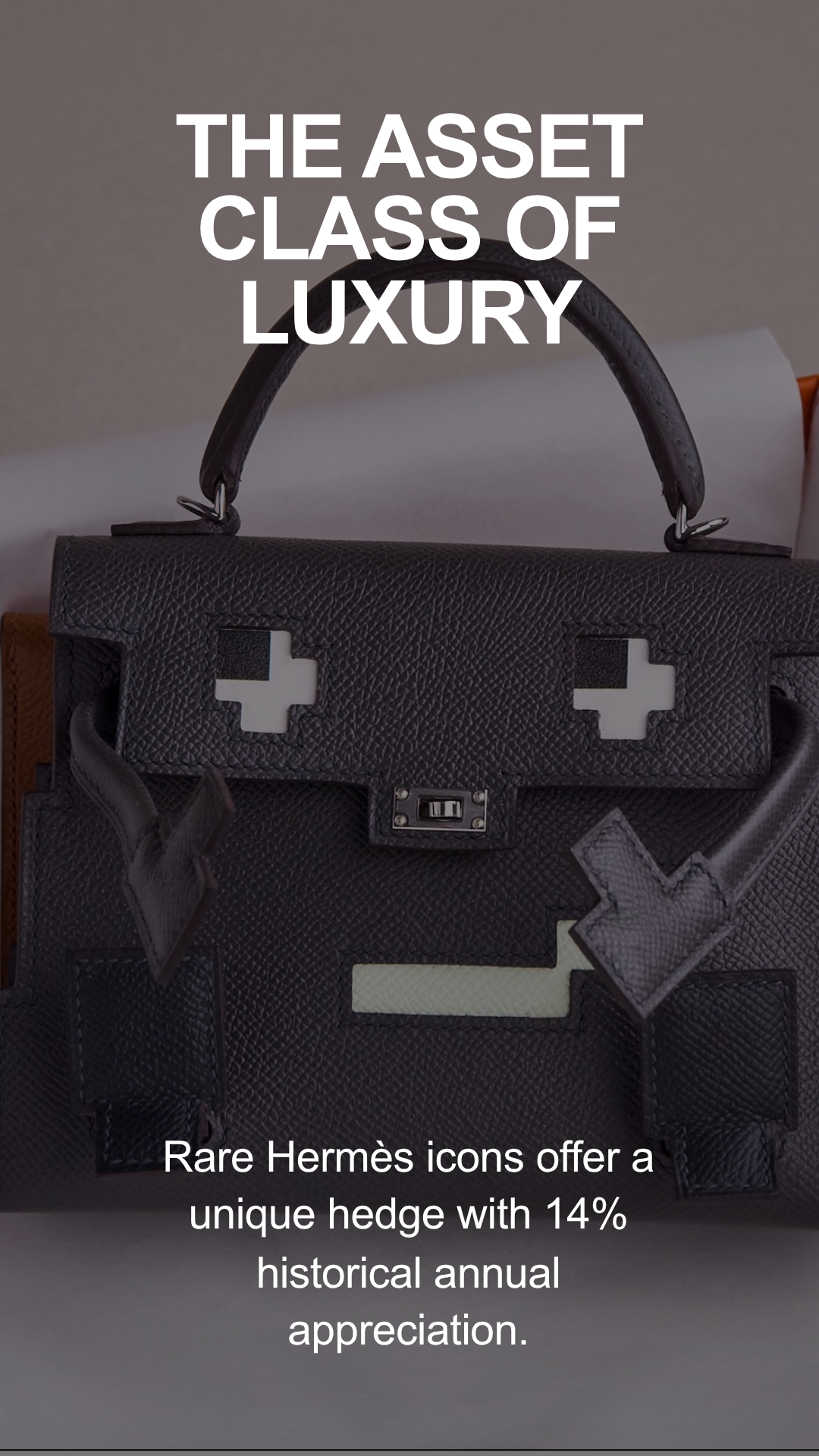
Recognizing the true value of luxury brands often means looking well beyond surface allure or price tags. For those who invest in exclusive handbags, the significance lies in more than craftsmanship or rare materials. Luxury brands, as research highlights, are defined by their powerful heritage and ability to create deep emotional connections. Exploring these layers reveals why discerning collectors worldwide appreciate symbolic value and cultural impact, making each acquisition far more than a transaction.
Table of Contents
- Defining Luxury Brands and Their True Value
- Types of Luxury Items and Their Distinctions
- How Exclusivity and Scarcity Drive Demand
- Luxury Brand Investments and Financial Returns
- Emotional, Social, and Cultural Impact
Key Takeaways
| Point | Details |
|---|---|
| Understanding Value | Luxury brands represent complex cultural symbols, and their true value extends beyond price to emotional connections and historical significance. |
| Investment Potential | Luxury items can serve as sophisticated financial assets with appreciation potential, influenced by factors like rarity and craftsmanship. |
| Role of Exclusivity | The desirability of luxury products is driven by controlled scarcity and personalization, tapping into consumer psychology. |
| Cultural Significance | Luxury brands serve as social symbols and connect consumers to broader narratives of identity, culture, and achievement. |
Defining Luxury Brands and Their True Value
Luxury brands transcend mere product categories - they represent complex cultural symbols embodying heritage, craftsmanship, and exclusive emotional experiences. Evolving luxury brand conceptualizations reveal these brands are not simply defined by price points, but by intricate layers of perceived value and social significance.
At their core, luxury brands distinguish themselves through several critical attributes:
- Exceptional craftsmanship that demonstrates meticulous attention to detail
- Rare materials sourced from premium global locations
- Limited production quantities ensuring exclusivity
- Deep historical narratives connecting consumers to generational traditions
- Symbolic status that communicates personal achievement
Understanding luxury requires recognizing that value extends far beyond tangible product characteristics. Contemporary luxury brand research highlights how these brands create profound emotional connections, transforming material objects into powerful personal statements.
The true essence of luxury brands lies in their ability to communicate sophisticated narratives. They are not merely products, but carefully curated experiences that reflect individual identity, aspiration, and cultural refinement. By investing in luxury, collectors acquire more than an item - they become part of an exclusive global ecosystem of discerning taste and timeless elegance.
Pro tip: When evaluating luxury brand investments, look beyond aesthetic appeal and consider the brand’s historical reputation, craftsmanship consistency, and cultural significance.
Types of Luxury Items and Their Distinctions
Luxury items represent a sophisticated ecosystem of products that transcend traditional consumer goods, each category distinguished by unique characteristics and investment potential. Luxury product categorizations reveal complex nuances that separate mere expensive items from truly exceptional collectible investments.
The primary categories of luxury items include:
- Haute Couture fashion and accessories
- Fine jewelry and precious gemstones
- Limited edition timepieces
- Rare wines and spirits
- Exclusive automotive collectibles
- Fine art and design pieces
Each luxury item category carries distinct value propositions. Global luxury product frameworks demonstrate that value is not merely determined by price, but by intricate factors like craftsmanship, historical significance, rarity, and emotional resonance.
Understanding these distinctions requires deep appreciation of each item’s unique provenance. Handbags, for instance, are valued not just by brand reputation, but by specific production details like limited edition releases, unique material sourcing, and historical design significance. The most coveted luxury items often represent a perfect fusion of artisan skill, cultural narrative, and investment potential.

Here’s a summary comparing various luxury item categories on key distinguishing factors:
| Category | Collectibility Factor | Common Investment Value Driver | Example Brand/Item |
|---|---|---|---|
| Haute Couture | Limited designer editions | Artisan reputation, rarity | Chanel, Dior gowns |
| Fine Jewelry | Gemstone uniqueness | Precious metal, historical links | Cartier, Tiffany pieces |
| Timepieces | Serial numbers/version codes | Movement complexity, brand legacy | Patek Philippe watches |
| Automotive Collectibles | Design milestones, provenance | Race history, production era | Ferrari classic cars |
| Fine Art & Design | Signature artistic influence | Artist prominence, provenance | Picasso, Warhol artwork |
Pro tip: When evaluating luxury item investments, prioritize pieces with documented authenticity, pristine condition, and compelling historical or design narratives.
How Exclusivity and Scarcity Drive Demand
Luxury markets operate on a fundamental psychological principle: the more unattainable something appears, the more desirable it becomes. Psychological mechanisms of luxury consumption reveal that scarcity triggers deep-rooted emotional responses that transform consumer behavior, making limited availability a powerful marketing strategy.
Key drivers of exclusivity in luxury markets include:
- Controlled production limiting total item quantities
- Staged product releases creating anticipation
- Unique design variations preventing exact replication
- Price positioning that signals exceptional value
- Personalization options enhancing individual experience
Brands strategically manipulate supply to generate perceived rarity. Economic strategies of luxury brands demonstrate how carefully managed scarcity creates urgency, compelling collectors and enthusiasts to acquire items before they disappear from the market.
This deliberate limitation transforms luxury items from mere products into coveted cultural artifacts. The psychology behind exclusivity goes beyond simple economics - it taps into fundamental human desires for uniqueness, status, and belonging. Collectors aren’t just purchasing an item; they’re acquiring a rare narrative that distinguishes them from the mainstream.
Pro tip: Research brand production histories and track limited edition releases to identify potential investment-grade luxury items before they become widely recognized.
Luxury Brand Investments and Financial Returns
Luxury brands represent far more than aesthetic objects - they are sophisticated financial assets with complex value generation mechanisms. Luxury brand valuation methodologies reveal that intangible brand equity can significantly drive enterprise value beyond traditional accounting metrics.
Key financial advantages of luxury brand investments include:
- Consistent appreciation of rare collectible items
- Brand equity growth over time
- Low market correlation compared to traditional investments
- Global demand across multiple consumer markets
- Hedging potential against economic fluctuations
Successful luxury brand investments require understanding nuanced market dynamics. Strategic brand investment strategies demonstrate how targeted positioning and careful management can transform luxury assets into powerful financial instruments that generate substantial long-term returns.
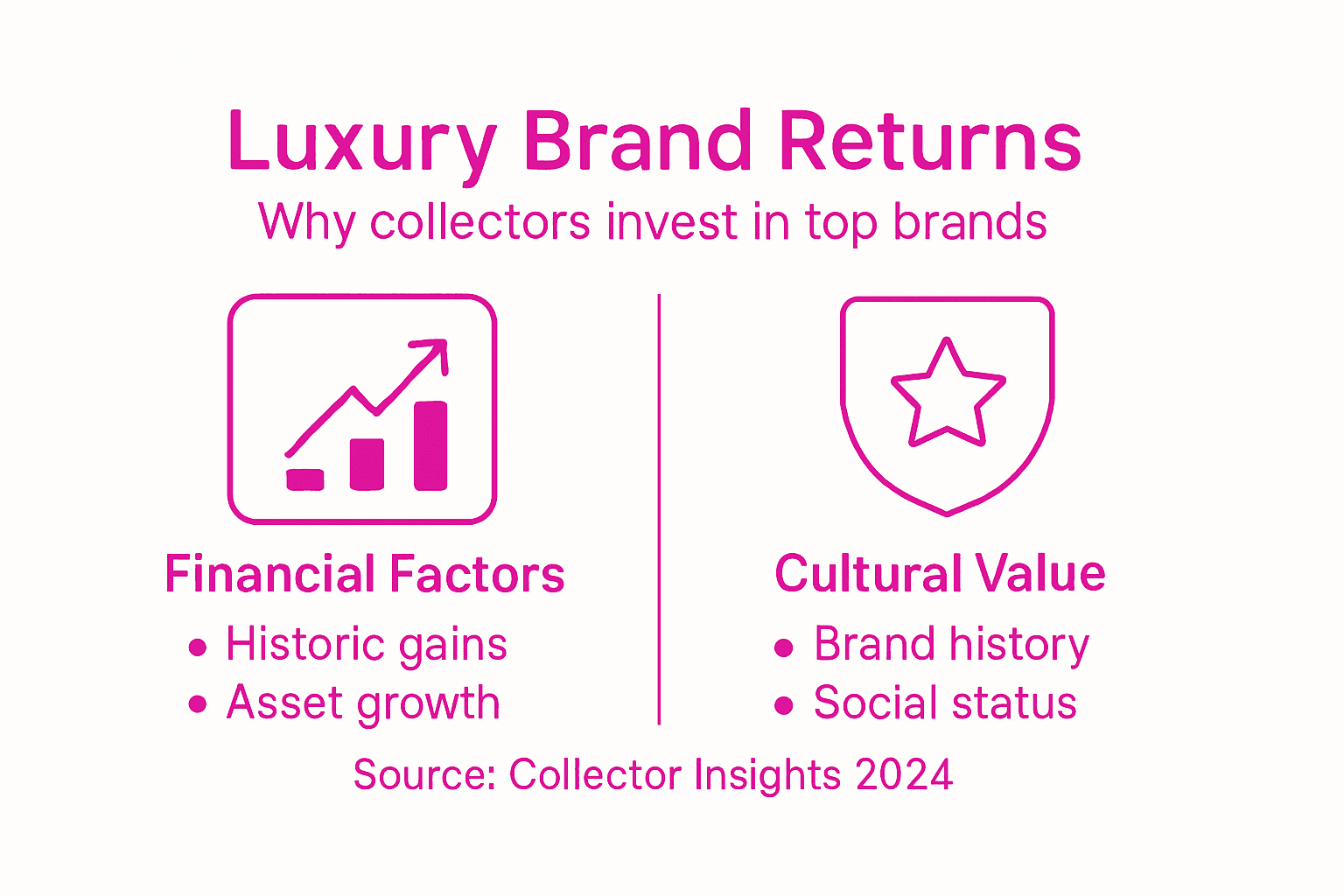
Beyond monetary value, luxury brand investments offer collectors a unique opportunity to own pieces of cultural significance. Each acquisition represents not just a financial transaction, but participation in an exclusive ecosystem of design, craftsmanship, and global prestige. Sophisticated investors recognize that true value extends far beyond simple price appreciation.
Pro tip: Diversify your luxury investment portfolio by focusing on brands with consistent historical performance and strong global brand recognition.
Emotional, Social, and Cultural Impact
Luxury brands transcend mere material possessions, functioning as powerful social symbols that communicate complex personal narratives. Perceived social value of luxury brands reveals how these items serve as sophisticated mechanisms for self-expression and status signaling across diverse social contexts.
Key emotional and social dimensions of luxury brand engagement include:
- Identity construction through curated personal aesthetics
- Status communication without explicit verbal messaging
- Psychological validation of personal achievements
- Cultural belonging within exclusive social ecosystems
- Emotional resonance connecting individual experiences
Psychological motivations behind luxury consumption demonstrate that luxury brands are not simply purchased, but strategically selected to reflect nuanced personal aspirations. Modern consumers view these items as extensions of their personal brand, carefully curating experiences that communicate sophisticated self-narratives.
Beyond individual expression, luxury brands play a critical role in cultural discourse. They represent living archives of design, craftsmanship, and societal evolution, bridging personal identity with broader global narratives of creativity, innovation, and cultural sophistication.
Below is a comparison of emotional, social, and financial roles of luxury brands:
| Role | Description | Typical Impact Area |
|---|---|---|
| Emotional | Fosters personal pride and self-expression | Individual sense of identity |
| Social | Signals status within peer communities | Relationship/network visible |
| Financial | Offers potential for asset appreciation | Wealth diversification |
Pro tip: Select luxury items that authentically align with your personal narrative and represent genuine cultural significance, rather than pursuing trends.
Elevate Your Luxury Investment with Authentic Rare Handbags
Understanding the true value of luxury brands means recognizing the power of exclusivity, craftsmanship, and cultural significance in your collection. If you seek to invest wisely in luxury items that offer not only financial appreciation but also emotional and social prestige, authentic, limited-edition handbags from iconic brands are essential. At BV Prive, we specialize in sourcing exclusive pieces like Birkin, Kelly, and 2.55 models—each meticulously verified for authenticity and rarity to meet the highest standards collectors demand.
Discover how owning a carefully curated luxury handbag can become a powerful statement of identity alongside a smart investment. Browse our collection to secure your next iconic piece and join an exclusive global community of collectors. Act now to benefit from tax-free worldwide delivery and personalized VIP shopping at BV Prive. Explore our offerings here exclusive luxury handbags and accessories and begin turning your passion for luxury into timeless value.
Frequently Asked Questions
What defines a luxury brand?
Luxury brands are characterized by exceptional craftsmanship, rare materials, limited production, deep historical narratives, and a symbolic status that reflects personal achievement. They represent more than just products; they are complex cultural symbols that create emotional connections with consumers.
How do exclusivity and scarcity impact the demand for luxury items?
Exclusivity and scarcity create perceived rarity, making luxury items more desirable. Controlled production, staged releases, and unique designs enhance urgency for collectors, as limited availability taps into psychological desires for uniqueness and status.
What are the primary categories of luxury items to consider for investment?
Key categories include haute couture fashion, fine jewelry, limited edition timepieces, rare wines, exclusive automotive collectibles, and fine art. Each category has distinct investment value drivers based on rarity, craftsmanship, and historical significance.
How can collectors evaluate the financial potential of luxury brand investments?
Collectors should focus on the brand’s historical performance, authenticate the items, and assess market demand. Understanding market dynamics, craftsmanship quality, and cultural significance can help in identifying investment-grade luxury items.